
Top 10 Wedding Photography Ideas for Stunning Memories
Updated: 2 hours ago
The best wedding photos rarely happen by accident. They come from a mix of planning, good light, real emotion, and a photographer who knows when to guide and when to step back.
A strong wedding gallery should do more than show what everyone wore. It should bring back the feeling of the day, the quiet nerves, the happy chaos, the laughter, the weather, the colours, and the people who made it matter. These wedding photography ideas will help shape a photo plan that feels personal, polished, and full of life.

Capture the quiet moments before the ceremony
Some of the most meaningful photos happen before the main events begin. The room is quieter, emotions are close to the surface, and small details still feel fresh.
Ask the photographer to capture:
A parent helping with jewellery or cufflinks
The wedding outfit hanging near natural light
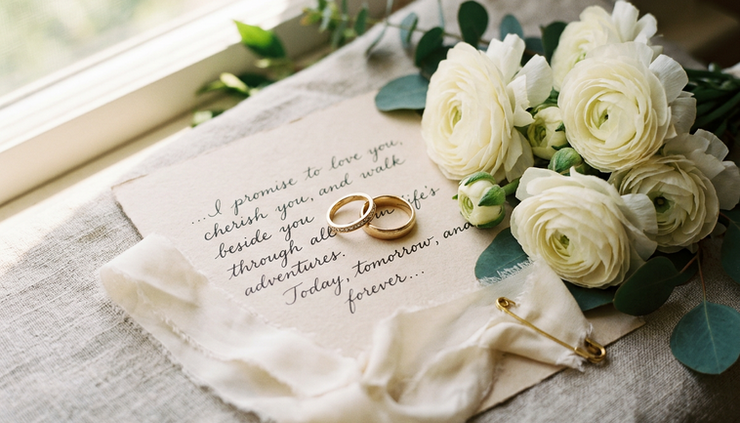
Handwritten vows on a table
Friends sharing a laugh while getting ready
A quiet breath before walking down the aisle
These moments help tell the full story. They also balance the big, public parts of the day with something more intimate.
Plan a first look with real emotion
A first look gives the couple a private moment before the ceremony. It can calm nerves, create beautiful portraits, and free up time later in the schedule.
The best first looks are simple. Choose a place with clean light, enough privacy, and a background that will not distract from the moment. A garden path, shaded courtyard, old stone wall, or quiet room with large windows can all work well.
If a couple prefers to wait for the aisle reveal, a similar idea still works. Try a first touch, where the couple stands around a corner or doorway and holds hands without seeing each other.
Use golden hour for romantic portraits
Golden hour happens shortly after sunrise or before sunset, when the light turns soft and warm. For weddings, the evening version is usually easier to schedule.
Even 10 to 15 minutes can make a big difference. Step away from the reception, take a short walk, and let the photographer work with the glow. These portraits often feel relaxed because the ceremony is over and the couple can finally breathe.
A practical tip: build this into the timeline. If sunset is during dinner or speeches, plan with the photographer so nobody feels rushed.
Make the ceremony photos feel alive
Ceremony photos are not just about the first kiss. The best images show the whole emotional arc.
Ask the photographer to watch for:
The walk down the aisle
Reactions from family and friends
The exchange of vows
Hands held tightly
Happy tears and quiet smiles
The moment right after the couple exits
The exit is especially useful for joyful photos. Confetti, flower petals, bubbles, or a simple cheering aisle can create movement and energy. Check with the venue first, since many places have rules about what can be tossed.
Create editorial-style couple portraits
Editorial portraits feel polished but not stiff. They borrow from magazine photography while keeping the couple’s personalities at the centre.
For this style, posture and setting matter. A clean staircase, textured wall, historic building, hotel lobby, or open field can create a strong frame. The photographer may guide the couple with small prompts, such as walking slowly, leaning close, or looking away from the camera.
The goal is not to pose every finger perfectly. The goal is to create elegant images that still feel like the people in them.
Include candid guest reactions
Guests bring the day to life. A gallery feels richer when it includes grandparents clapping, friends laughing, kids running around, and tables full of conversation.
Candid guest photos work best during natural transitions:
Cocktail hour
Dinner service
Speeches
The first dance
Open dancing later in the evening
These images may not be the ones framed above the fireplace, but they often become favourites over time. They show the atmosphere as it really felt.

Photograph the reception details before guests enter
Reception spaces look their best before coats, purses, water glasses, and half-used napkins appear. Give the photographer a few minutes to capture the room untouched.
Focus on details that took time to choose:
Table settings
Florals
Place cards
Candles
Menus
Cake or dessert table
Ceremony items repurposed for the reception
Wide room shots also matter. They show the full design and give context to the close-ups. If the couple has invested in decor, this is the moment to preserve it.
Add movement to the dance floor
Dance floor photos should not feel too perfect. Motion, blur, and bold light can make the images feel more alive.
A good photographer may use flash, slower shutter speeds, or creative angles to capture the mood. The result can be colourful, playful, and full of energy.
For better dance photos, keep the floor close to the music and avoid turning the lights too bright. Guests usually relax more when the room feels warm and celebratory.
Take a night portrait before the evening ends
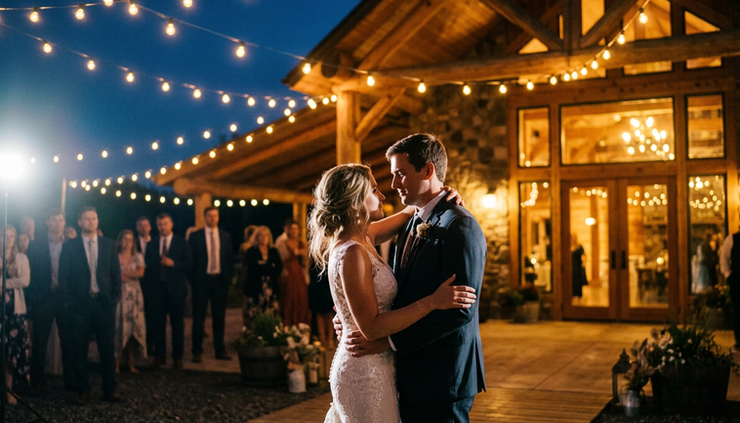
A night portrait adds drama to the final gallery. It can be taken outside the venue, under a clear sky, near city lights, beside a barn, or under a canopy of string lights.
This does not need to take long. A skilled photographer can often create one strong image in a few minutes using an off-camera light or available light from the surroundings.
This type of photo is especially beautiful for winter weddings in Canada, when the evening arrives early and lights feel extra cosy.
Leave space for unscripted moments
A detailed shot list helps, but too much control can make the day feel staged. Leave room for surprises.
The wind might catch a veil. A flower girl might fall asleep during dinner. Rain might create beautiful reflections on the pavement. A grandparent might pull someone onto the dance floor. These are the photos no one could have planned, and they often become the most meaningful.
The best approach is simple: plan the must-have images, then trust the photographer to notice the rest.
Final takeaway
Great wedding photography blends preparation with presence. Plan for the key moments, choose good light when possible, and make space for real emotion. A strong gallery should include portraits, details, movement, guests, and quiet in-between moments.
When the day is over, those images become more than proof that the wedding happened. They become the way the celebration is remembered.

Comments